
Fresh seafood in West Palm Beach is often considered more flavorful than seafood served inland, and this difference is closely tied to geography, fishing practices, and how quickly seafood moves from ocean to plate. For tourists visiting Florida’s southeast coast, understanding these location advantages helps explain why seafood tastes noticeably fresher in coastal areas.
West Palm Beach sits along the Atlantic coastline, which means seafood does not have to travel far after being caught. This proximity reduces storage time and preserves natural texture and flavor. For visitors exploring dining options, fresh seafood in West Palm Beach offers a clear example of how location directly influences quality and freshness.
The appeal of fresh seafood in West Palm Beach is not only about taste but also about the broader coastal food ecosystem. From fishing docks to local markets and restaurants, the entire supply chain benefits from being close to the source, which is a key reason tourists notice differences compared to inland destinations.
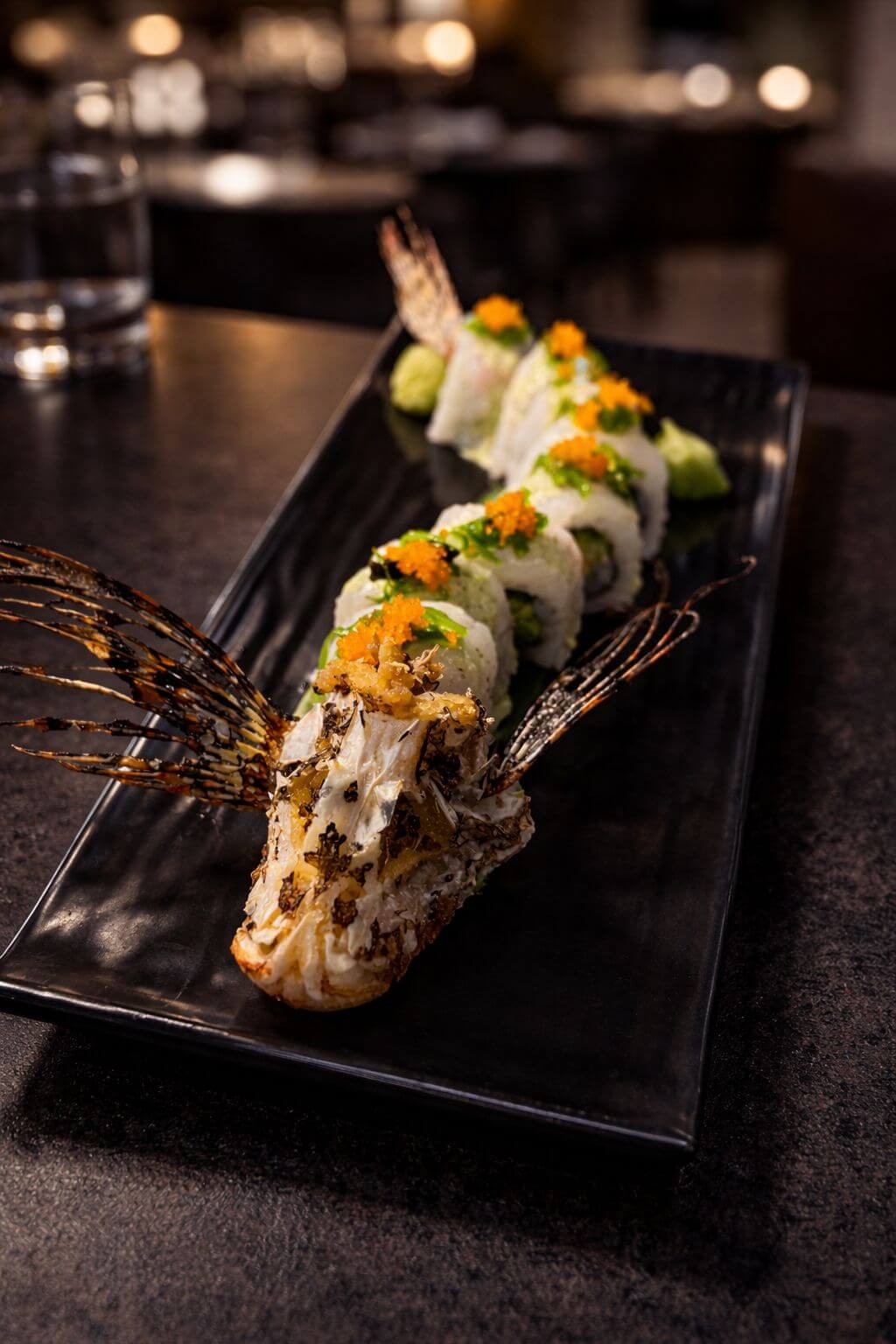
How Coastal Location Shapes Seafood Freshness
The main reason seafood tastes better near the coast is simple: shorter time between catch and consumption. In coastal cities like West Palm Beach, fish often reach markets within hours of being harvested.
This reduces exposure to freezing, long transport, or extended storage. Seafood naturally begins to lose moisture and flavor once it is removed from water, so minimizing time out of the ocean preserves quality.
The concept of coastal seafood in Florida reflects this advantage. Florida’s extensive coastline supports a steady flow of fresh catches, including snapper, grouper, mahi-mahi, and shrimp. Because of this continuous supply, restaurants and markets can rely on daily deliveries instead of frozen stock.
From Ocean to Plate: The Local Supply Chain
West Palm Beach benefits from a tightly connected seafood supply chain. Fishermen operate in nearby waters and return to shore quickly, often within the same day. From there, seafood is distributed directly to markets and restaurants.
This process is different from inland cities, where seafood may travel hundreds or even thousands of miles before reaching consumers. Each additional step increases the time between catch and consumption, which can affect flavor and texture.
Tourists often notice that fresh fish wpb dishes have a cleaner, firmer texture. This is largely due to minimal handling and reduced preservation time.
Why Local Fishing Matters for Flavor
Local fishing practices play a significant role in maintaining seafood quality. In West Palm Beach, many fisheries operate on small to medium-scale schedules, which helps maintain freshness standards.
Fish caught in nearby Atlantic waters are often handled immediately and chilled quickly. This preserves natural oils and moisture content, which are key contributors to flavor.
The broader idea of coastal seafood Florida also includes sustainable fishing methods. Many local operations follow regulations that help maintain fish populations while ensuring consistent quality for consumers.
What Tourists Should Know About Seafood Freshness
Visitors often want to know how to identify truly fresh seafood while traveling. In coastal areas like West Palm Beach, there are a few key indicators that can help:
- Clear, bright eyes on a whole fish
- Firm flesh that springs back when touched
- Mild ocean scent rather than a strong fishy odor
- Moist but not slimy surface texture
These signs are especially helpful when evaluating fresh fish WPB options in markets or restaurants.
Tourists should also note that daily availability can vary based on weather conditions and seasonal fishing patterns. This is normal for coastal regions and often reflects a commitment to freshness rather than frozen alternatives.
Coastal vs Inland Seafood Freshness Factors
The difference between coastal and inland seafood can be understood more clearly when comparing key factors:
| Factor | Coastal Locations (West Palm Beach) | Inland Cities |
| Time from catch to consumption | Hours to 1 day | Several days to weeks |
| Storage method | Mostly fresh/chilled | Often frozen |
| Flavor profile | Brighter, natural taste | Milder, sometimes muted |
| Texture | Firm and moist | Can become soft or dry |
| Supply chain length | Short and direct | Long and complex |
This comparison highlights why tourists often prefer seafood in coastal destinations. The reduced time and handling directly influence overall quality.
Seasonal Availability Along Florida’s Coast
Florida’s coastal waters support a wide variety of seafood throughout the year. However, seasonal changes still affect what is available.
For example:
- Grouper and snapper are often more abundant in warmer months
- Shrimp seasons vary depending on the regulation cycles
- Mahi-mahi is more common during migration periods
These natural cycles contribute to the authenticity of coastal seafood in Florida, where menus often change based on what is locally available rather than relying on imported products.
Tourists benefit from this variety, as seasonal menus often reflect the freshest possible catch at any given time.
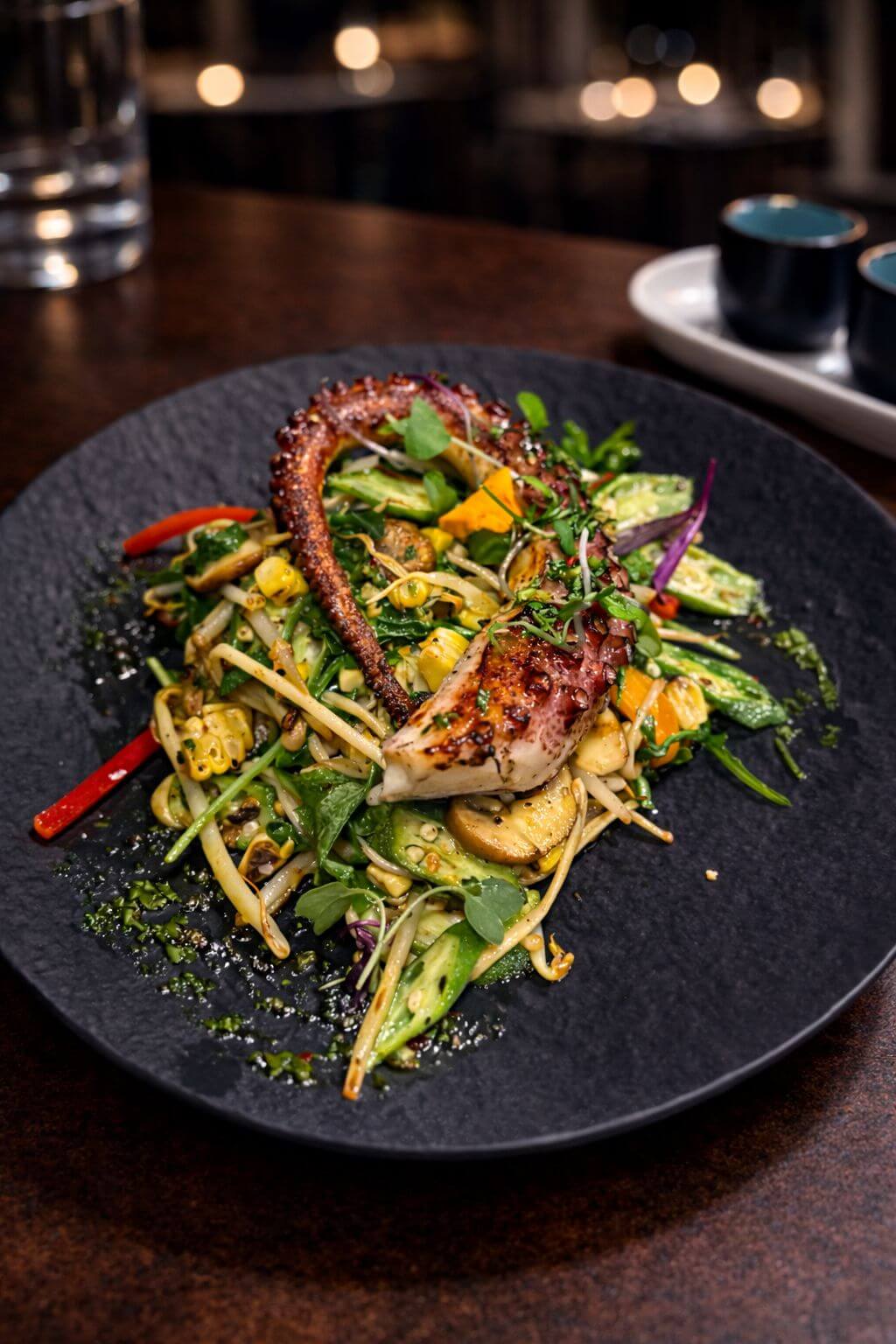
Sustainability and Local Sourcing Practices
Sustainability is an important part of seafood culture in West Palm Beach. Many fisheries follow guidelines designed to protect marine ecosystems while maintaining supply.
This includes regulated fishing seasons, size limits, and protected breeding areas. These practices ensure that seafood remains available for future generations while still supporting current demand.
The emphasis on local sourcing also reduces transportation emissions. When seafood is consumed close to where it is caught, it minimizes the environmental impact associated with long-distance shipping.
This balance between freshness and sustainability is one reason coastal seafood in Florida continues to be valued by both locals and visitors.
How to Identify Fresh Fish in West Palm Beach Markets
For tourists exploring local markets, recognizing freshness is key to enjoying quality seafood. When evaluating fresh fish WPB, consider the following practical tips:
- Check for natural coloration without discoloration or dullness
- Look for intact scales and clean cuts
- Smell should resemble the ocean, not ammonia
- Ask about the catch date when possible
Markets in coastal areas often receive daily deliveries, so asking vendors about recent arrivals can help ensure the best selection.
Why Coastal Proximity Enhances Dining Experience
Beyond freshness, coastal proximity also influences how seafood is prepared and served. Chefs in West Palm Beach often design menus around daily catches, allowing dishes to reflect what is currently available rather than relying on fixed supply chains.
This approach results in more dynamic menus and a stronger connection between local waters and dining experiences.
For tourists, this means seafood meals are not only fresher but also more reflective of the region’s natural environment.
Conclusion
The advantage of coastal geography plays a central role in why seafood in West Palm Beach is often fresher and more flavorful. With direct access to Atlantic waters, strong local fishing practices, and a short supply chain, the region consistently delivers high-quality seafood experiences.
For tourists, understanding these factors helps explain the clear difference between coastal dining and inland seafood options, especially when exploring fresh fish WPB markets and restaurants influenced by coastal seafood Florida traditions.
FAQs
Why does seafood taste better in West Palm Beach?
Seafood tastes better due to shorter time between catch and consumption, reducing the need for freezing or long-distance transport.
What makes coastal seafood Florida different?
It is typically fresher, locally sourced, and influenced by daily fishing activity along Florida’s coastline.
How can I identify fresh fish wpb in markets?
Look for clear eyes, firm texture, mild scent, and ask vendors about recent catch dates.
Is seafood in West Palm Beach always locally caught?
Not always, but many restaurants and markets prioritize local catches when available.
Does season affect seafood availability in West Palm Beach?
Yes, seasonal fishing patterns influence what seafood is available throughout the year.